10 mistakes when launching a coffee station – and how to avoid them
From the wrong location to missing maintenance: the most common mistakes when starting a coffee station business and how to avoid them from day one.
An autonomous coffee station is a manageable business. Still, a few points decide whether it brings steady income or falls short of expectations. Here are the ten most common mistakes.
1. Choosing the location by gut feeling
The location decides the revenue. A quiet corridor with little foot traffic brings little, even with the best equipment. Footfall, audience and dwell time should be checked in advance.
2. Overlooking local competition
A café right next door or a vending machine in the same building shares the demand. That need not rule a site out, but it belongs in the calculation.
3. Starting without numbers
How many cups a day are realistic, what costs arise, when is the station paid off? Without these numbers every decision is a gamble. The calculator on our home page gives a first overview.
4. Underestimating the rent
A high fixed rent can eat up the profit of a good location. A revenue-share model is often fairer for both sides.
5. Saving on quality
Instant coffee and cheap ingredients mean guests don't come back. Fresh beans and good recipes are the basis for regular customers.
6. Too small a range
Not everyone drinks espresso. Cold drinks, milk drinks and seasonal recipes appeal to more people.
7. Accepting cash only
Many people now pay by card or phone. Without cashless payment, sales are lost.
8. Neglecting maintenance
Empty cups, missing ingredients or a dirty serving area cost trust. Regular service is a must – with Cup'D it takes about 3 hours a week.
9. Working without remote monitoring
If you don't know the state of the station, you only notice problems when guests complain. Telemetry shows sales and fill levels in real time.
10. Forgetting the design
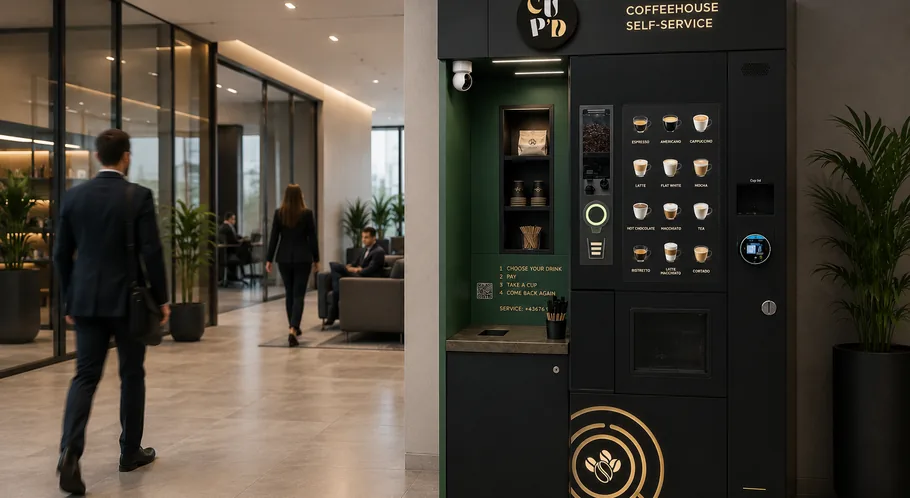
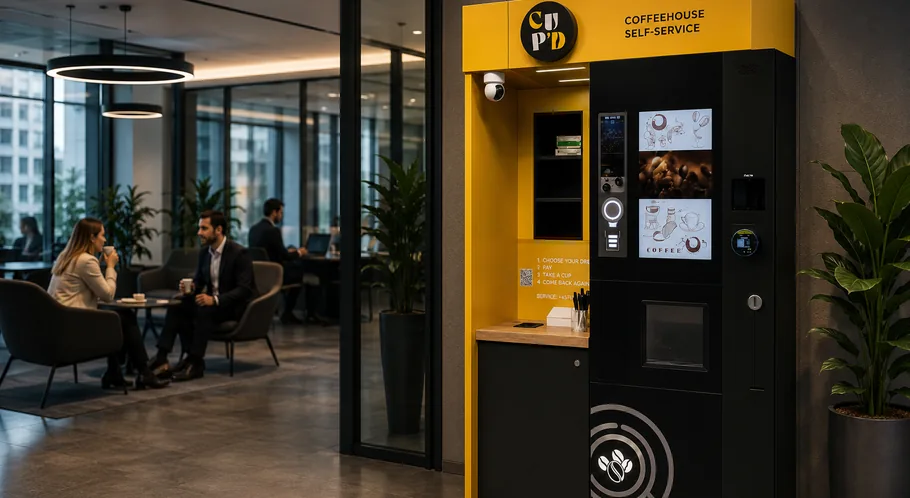
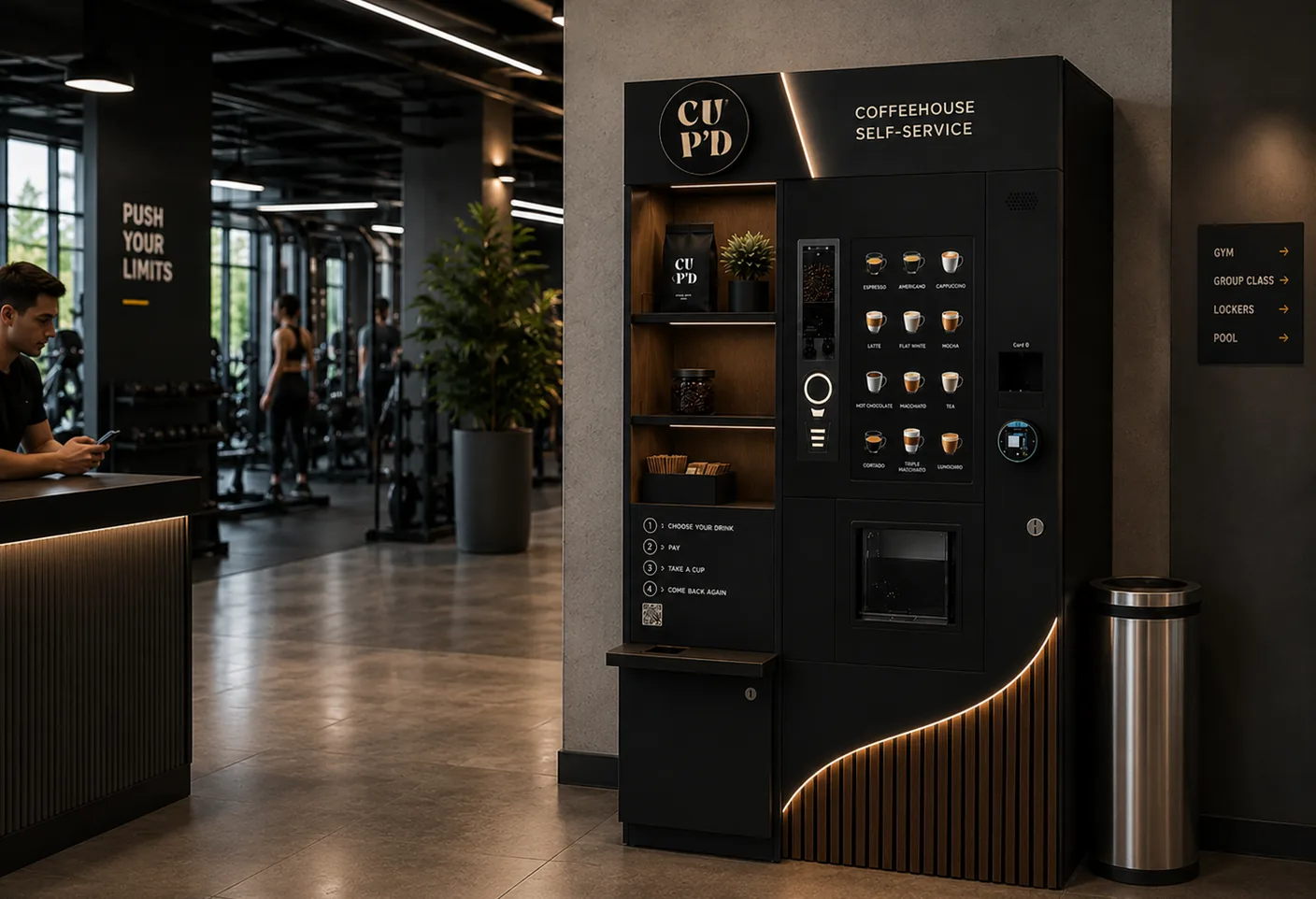
An inconspicuous grey box gets overlooked. A station with lighting, a logo and a fitting design catches the eye – and with it, customers.